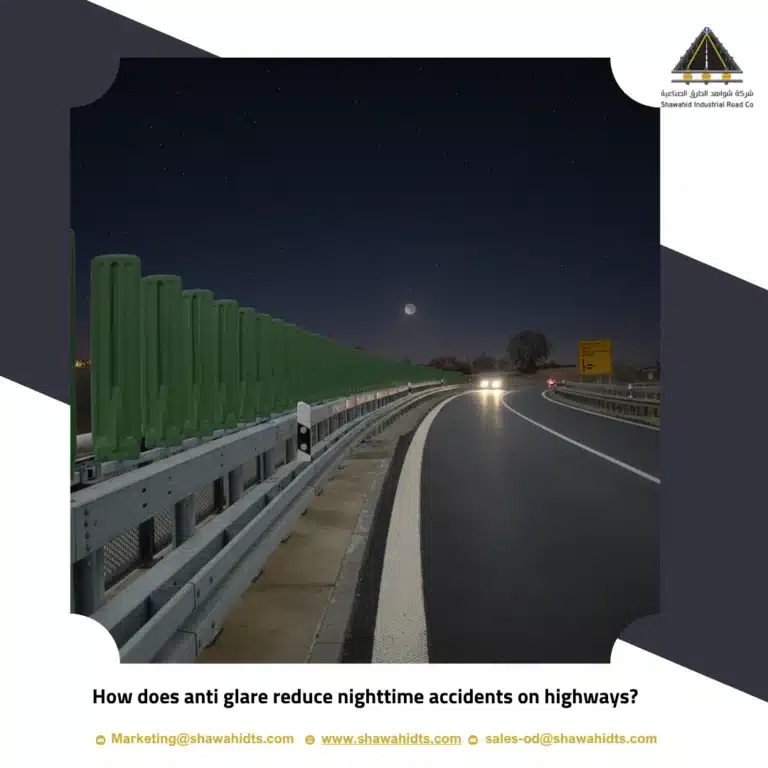
Anti glare screens play a critical role in modern road safety design.
Turns and roundabouts are among the most dangerous locations on the road for traffic safety, where a large number of vehicles from different directions converge. However, some drivers make repeated mistakes that can cause serious accidents, threatening traffic safety. Nighttime driving on highways is one of the most demanding conditions drivers face, not only because of reduced visibility but also due to glare caused by oncoming vehicle headlights. This glare, often underestimated, is a major contributing factor to nighttime accidents, especially on high-speed roads with opposing traffic. In these moments, even a brief loss of visual clarity can lead to delayed reactions, lane deviation, or loss of control.
The Hidden Risk of Night Driving on Highways
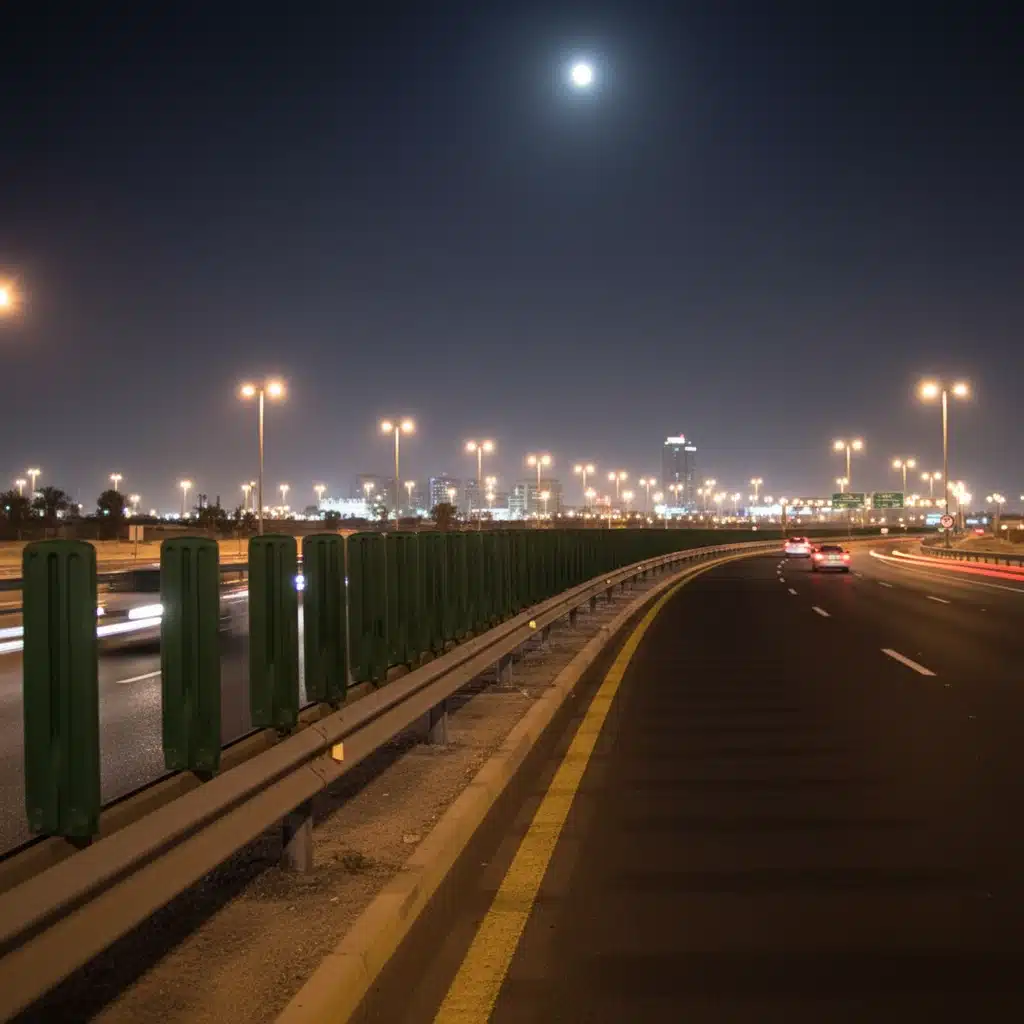
Headlight glare occurs when intense beams from vehicles traveling in the opposite direction directly enter a driver’s field of vision. The human eye needs time to adapt after sudden exposure to bright light, and during this short recovery period, the driver’s ability to judge distance, road alignment, and surrounding vehicles is significantly reduced. On highways, where decisions are made in fractions of a second, this temporary visual impairment can have severe consequences.
Anti Glare Solutions and the Impact of Headlight Glare on Drivers
Modern highway safety no longer relies solely on driver skill. It depends on intelligent infrastructure that reduces external risks and supports human limitations. Anti glare screens are designed specifically to provide visual separation between opposing traffic flows, preventing direct headlight beams from reaching drivers. By blocking the source of glare without obstructing the roadway itself, these systems create a safer visual environment for nighttime driving.
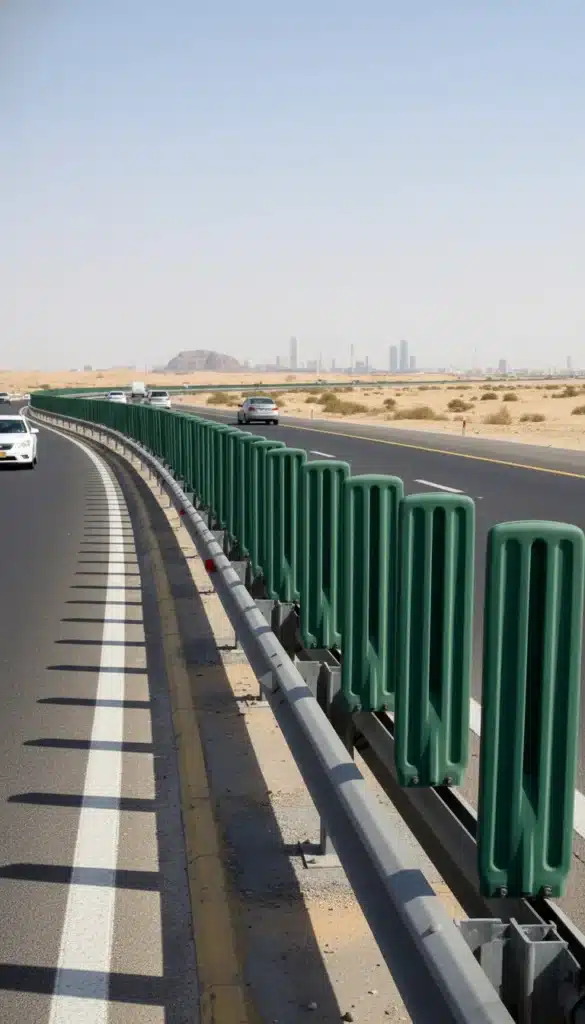
The effectiveness of anti glare screens lies in their simple yet highly efficient principle. Installed along the median, they are engineered with specific heights, angles, and spacing that block direct light while maintaining open airflow and visual continuity of the road. This balance ensures that drivers remain visually protected without feeling confined or distracted by the barrier itself.
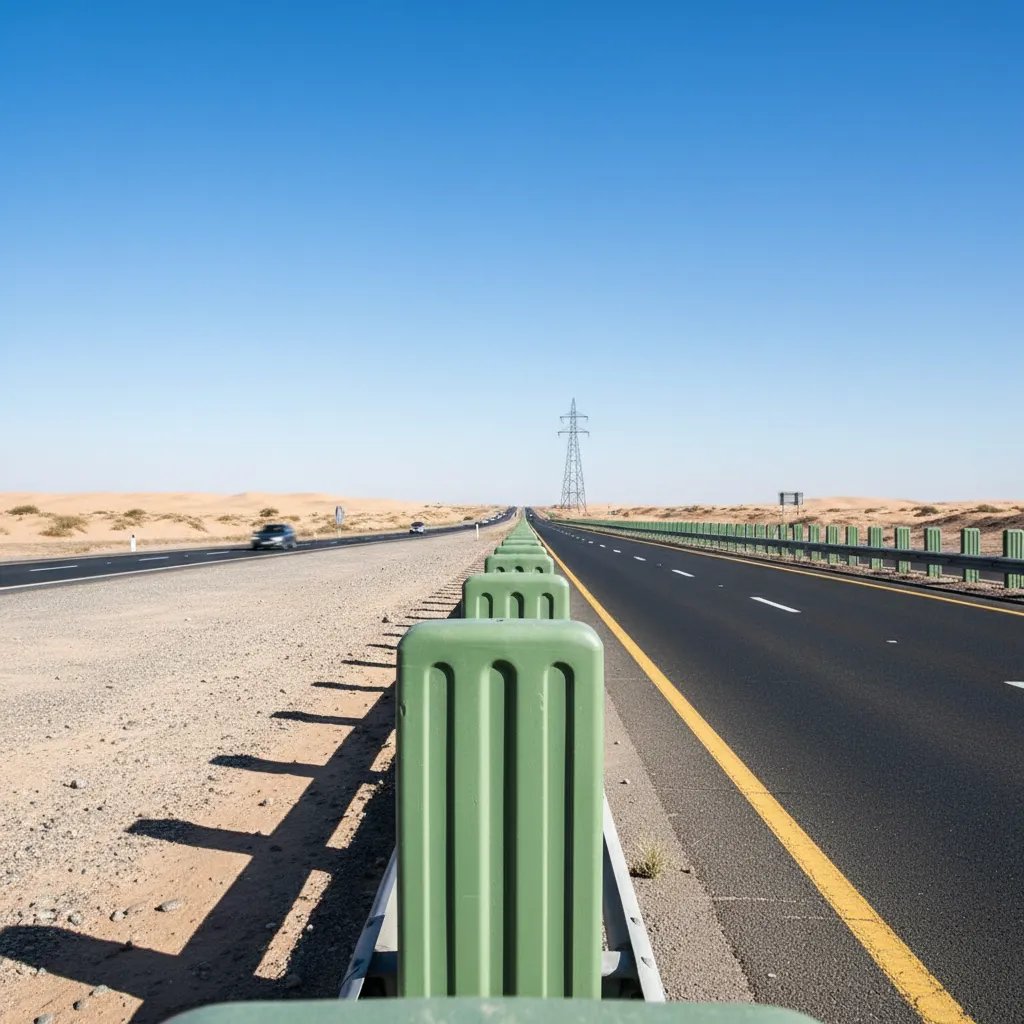
Anti Glare Systems in Modern Road Safety Infrastructure
One of the most important benefits of glare screens is their impact on driver comfort and concentration. Continuous exposure to glare causes eye strain and fatigue, reducing alertness over long distances. By eliminating sudden flashes of light, glare screens allow drivers to maintain consistent focus, smoother steering control, and quicker reaction times. Over time, this leads to a measurable reduction in nighttime accidents and near-miss incidents.
Glare screens are particularly critical on highways in open and desert environments, where surrounding ambient lighting is minimal. In such conditions, oncoming headlights become the dominant light source, making glare more intense and more dangerous. Glare screens act as a permanent visual shield, ensuring stable visibility regardless of traffic density or vehicle type.
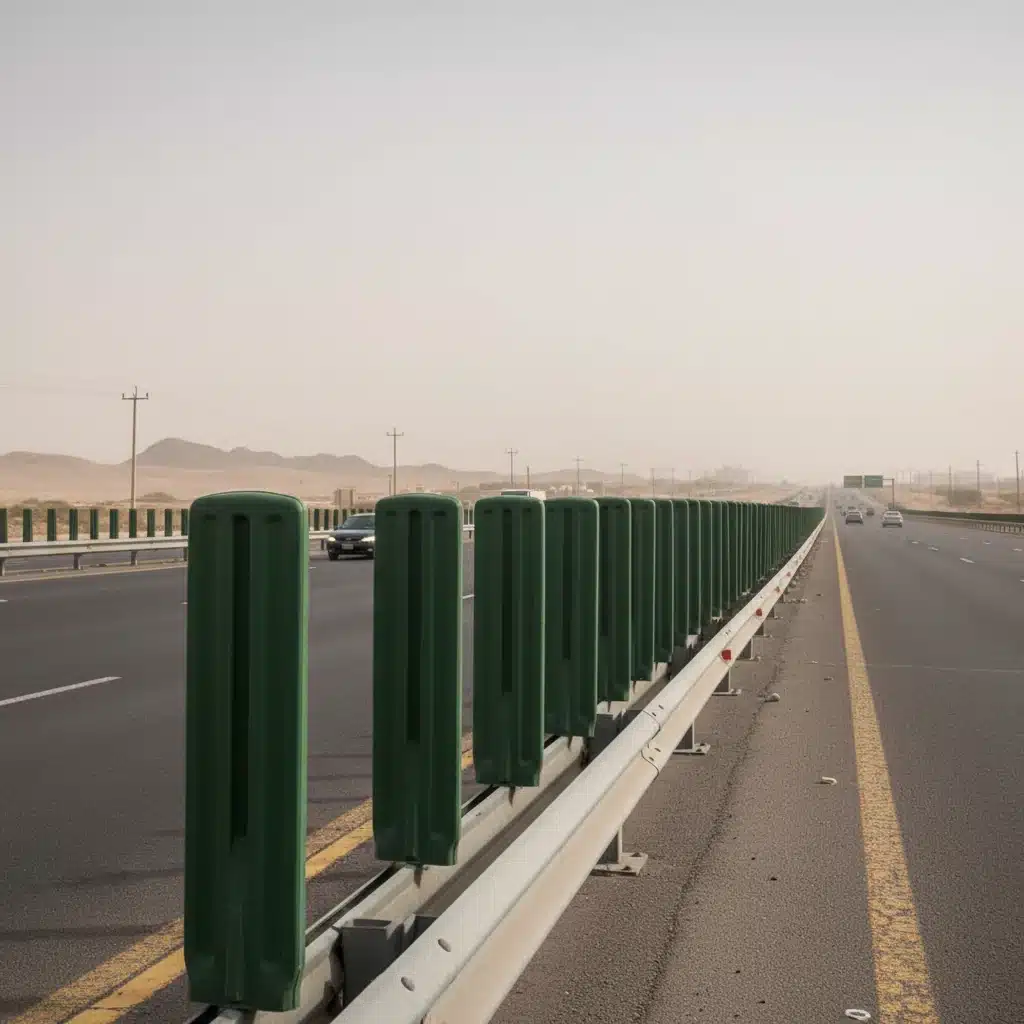
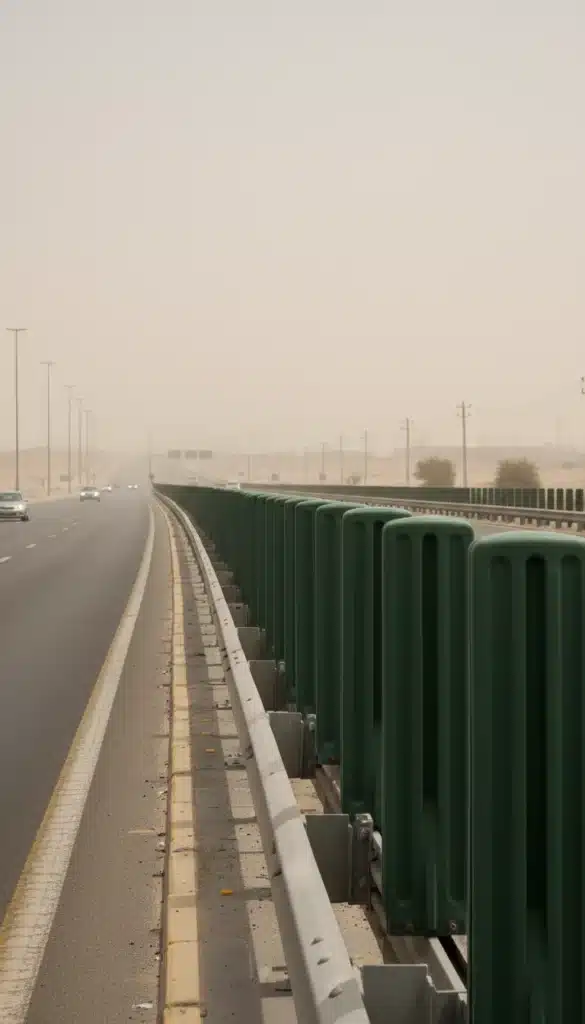
How Anti Glare Screens Work: Engineering a Safer Visual Field
From an engineering perspective, glare screens are manufactured from durable materials designed to withstand harsh environmental conditions such as high temperatures, strong winds, and airborne dust. Their structural stability ensures long-term performance with minimal maintenance requirements. This durability is essential for highways, where frequent repairs can disrupt traffic flow and increase operational costs.
Anti Glare Benefits for Driver Comfort, Focus, and Reaction Time
Beyond accident reduction, glare screens contribute to overall traffic discipline and road organization. Clear visual separation between traffic directions helps drivers maintain lane alignment and reduces subconscious drift toward oncoming lanes. This subtle guidance improves traffic flow and enhances driver confidence, particularly on long-distance routes.
Why Anti Glare Systems Are Critical in Open and Desert Highways
As road safety systems evolve, glare screens have become a key component of integrated highway safety solutions, working alongside barriers, reflective road studs, and traffic signage. Each element serves a specific function, but together they create a comprehensive safety environment that significantly improves nighttime driving conditions.
Reducing nighttime accidents is not achieved through a single measure but through understanding driver behavior and environmental challenges and applying the right engineering solutions in the right locations. Glare screens are a clear example of how a focused safety system can deliver substantial impact, turning a common nighttime hazard into a manageable risk.
Shawahid’s Role in Providing Advanced
Anti Glare Screen Solutions
At Shawahid, we develop and supply glare screen systems designed to meet the highest safety and durability standards, tailored to the demands of modern highways. Through high-quality materials and carefully engineered designs, Shawahid contributes to reducing nighttime driving risks and enhancing long-term road safety. We believe that safer roads begin with clearer vision and that managing glare is a fundamental step toward protecting lives on highways.
Marketing@shawahidts.com sales-od@shawahidts.com
Contact Numbers: +966 590 177 041, +966 54 105 1247
WhatsApp: +966581115596