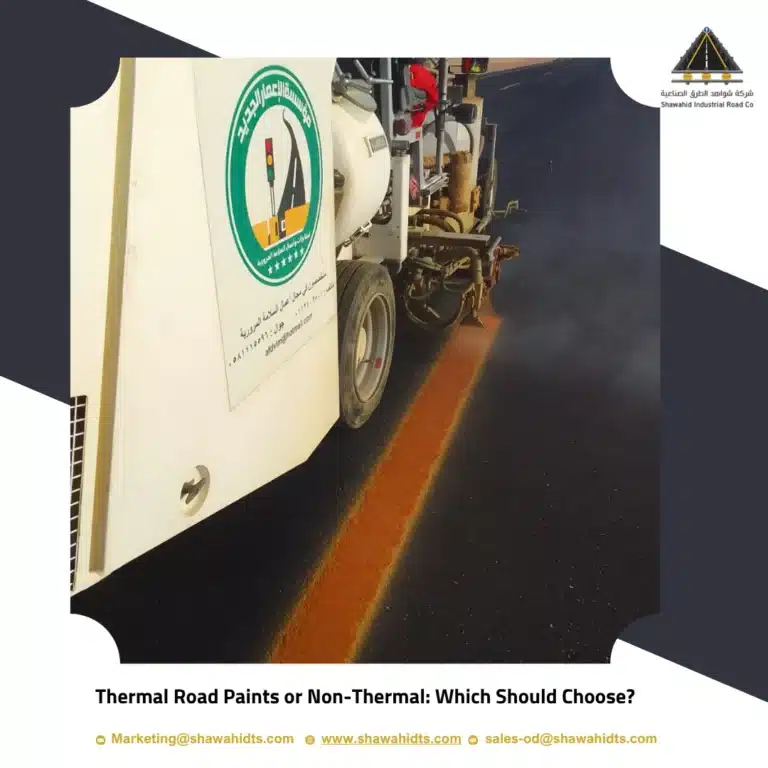
Define traffic flow, guide driver behavior, and reduce accidents. Choosing the right type of road paints are a technical decision that directly affects road performance, maintenance costs, and long-term safety. Among the most commonly used systems worldwide are hot-applied (thermoplastic) and cold-applied road marking paints. Understanding the technical differences between these two systems is essential for engineers, contractors, and decision-makers responsible for road infrastructure.
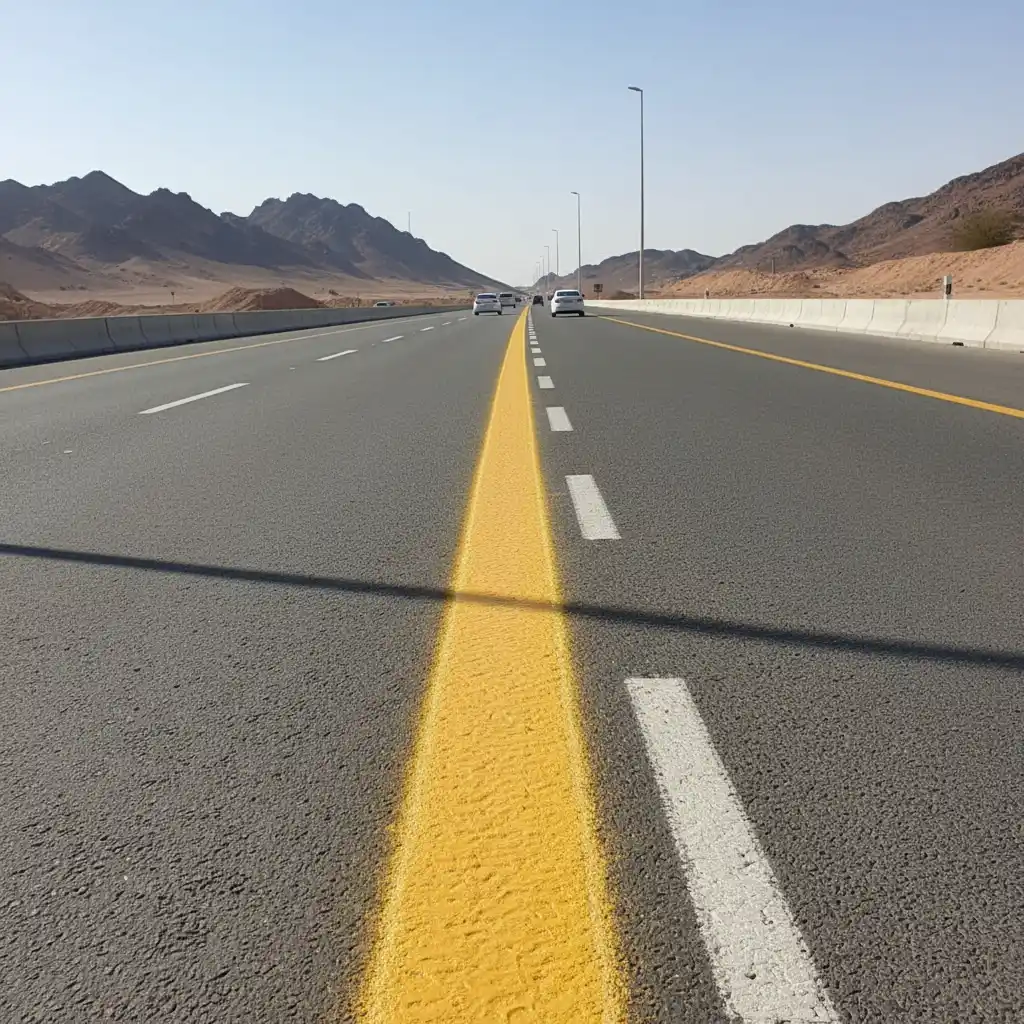
Hot Applied Road Paints: Technology and Application Process
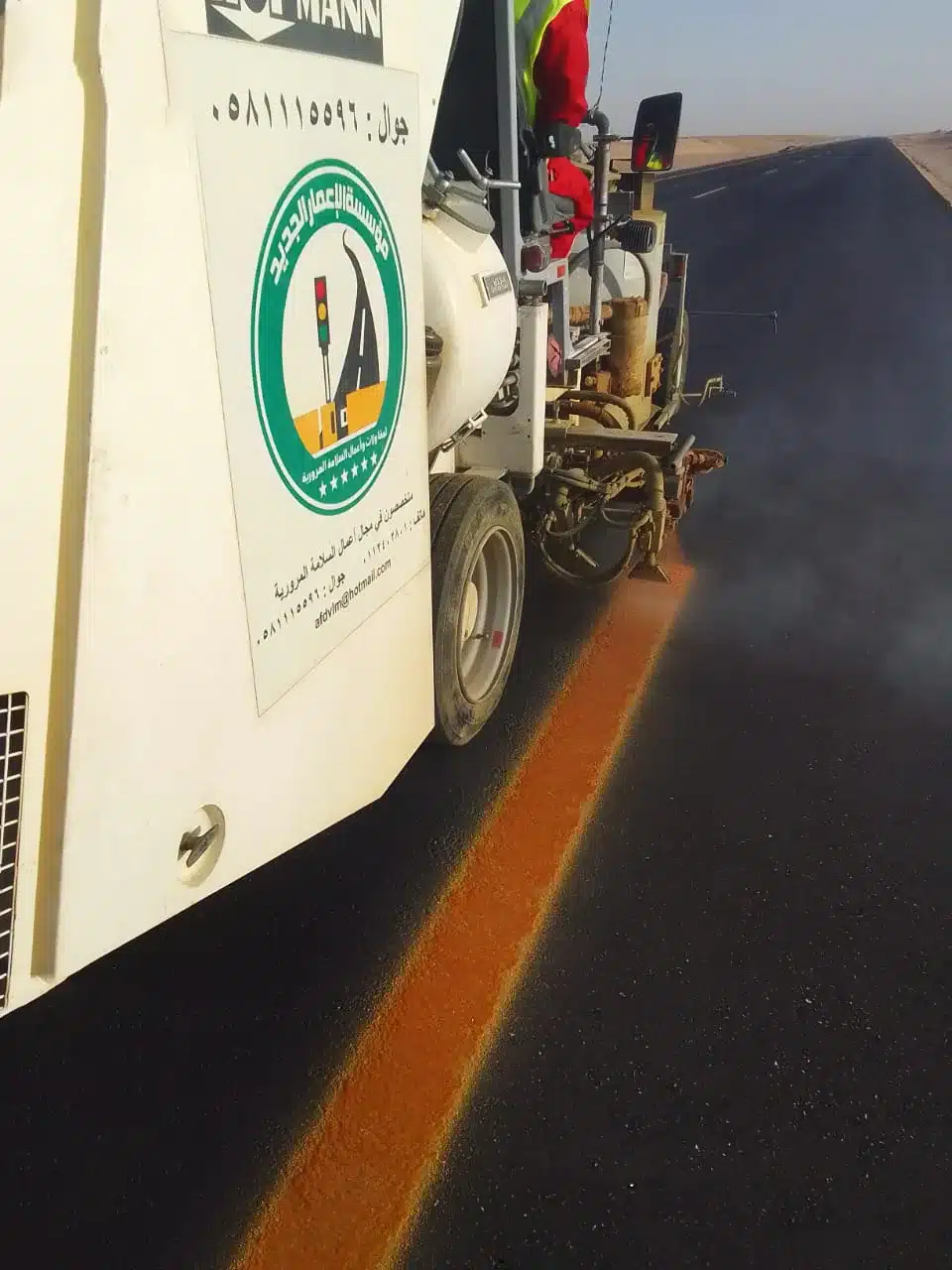
Hot-applied road marking paints, commonly known as thermoplastic markings, rely on heat to achieve adhesion and durability. These materials are heated to high temperatures, typically around 180–200°C, until they become molten. Once applied to the asphalt surface, the material cools and solidifies, forming a thick, durable layer that bonds strongly with the pavement. This bonding mechanism is one of the main reasons thermoplastic markings are widely used on highways and high-traffic roads.
The durability of thermoplastic paint comes from both its thickness and composition. The material contains resins, pigments, and glass beads that are mixed into the molten compound. When applied correctly, glass beads become embedded in the surface, providing excellent retroreflectivity at night. This reflective performance remains consistent over time, even under heavy traffic loads, making thermoplastic paint a preferred choice for roads with high vehicle volumes and long service-life requirements.
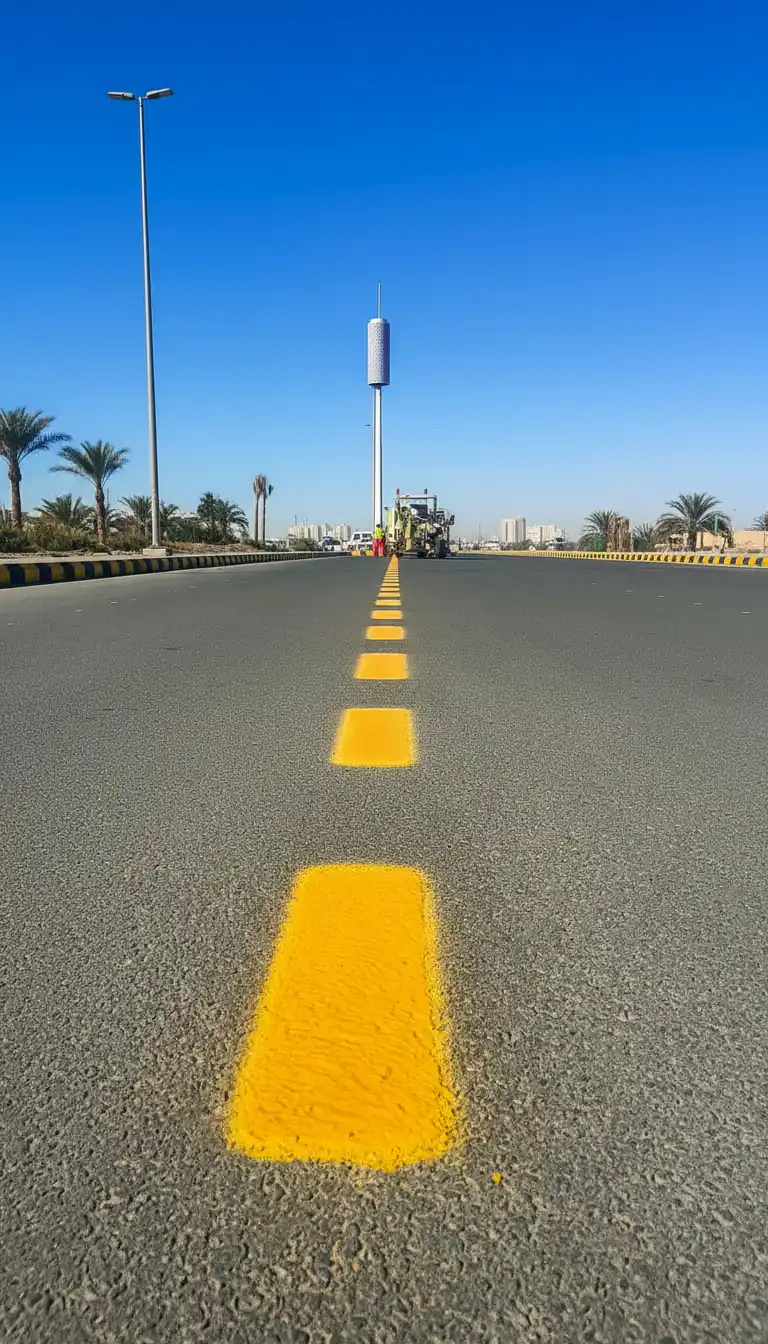
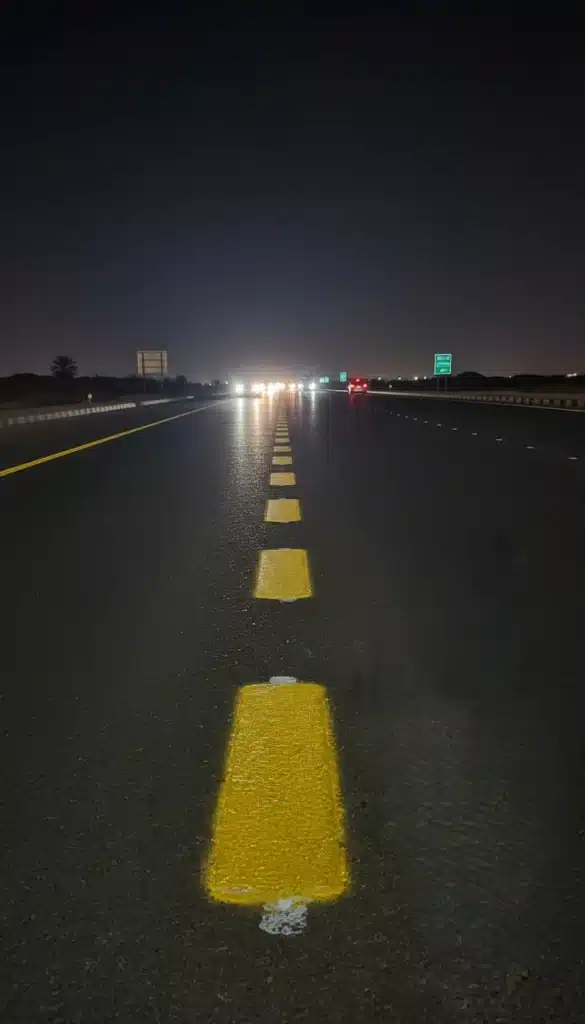
Road Paints Installation Requirements for Thermoplastic Systems
However, hot-applied road paints require specialized equipment and trained crews. Heating units, application machines, and strict temperature control are necessary to ensure proper performance. Weather conditions also play a role, as moisture and low temperatures can affect adhesion. These requirements make thermoplastic markings more suitable for planned projects where road closures and controlled working conditions are available.
Cold-Applied Road Paints: Flexible Solutions for Urban Roads
In contrast, cold-applied road marking paints rely on chemical curing rather than heat. These systems are applied at ambient temperatures and bond to the pavement through surface interaction and curing agents. Cold-applied paints include two-component systems and solvent- or water-based materials, offering greater flexibility in application and faster mobilization on site. This makes them ideal for urban roads, temporary markings, and locations where heating equipment is impractical.
One of the key advantages of cold-applied paints is their ease of application. They can be applied using relatively simple equipment and do not require preheating, which reduces setup time and energy consumption. This makes them especially useful for maintenance works, emergency repairs, and low-traffic areas where rapid deployment is essential.
From a performance standpoint, cold-applied paints generally have a thinner film thickness compared to thermoplastic systems. While modern formulations offer improved durability and reflectivity, their service life is typically shorter under heavy traffic conditions. This means that cold-applied markings may require more frequent maintenance, especially on high-speed or heavily trafficked roads.
Road Paints Performance Comparison: Thickness, Durability, and Lifespan
The decision between hot and cold road marking paints should be based on traffic volume, environmental conditions, and project objectives. Highways, expressways, and major arterial roads benefit from the long lifespan and superior visibility of thermoplastic markings. Their ability to withstand abrasion, heavy axle loads, and harsh weather makes them a long-term investment in road safety. On the other hand, urban streets, parking areas, and temporary traffic management projects often favor cold-applied systems due to their flexibility and lower initial cost.
Environmental considerations also play an increasing role in this decision. Cold-applied paints often require less energy during application, as they eliminate the need for heating. This can reduce carbon emissions during installation. Thermoplastic systems, while energy-intensive during application, offset this impact through longer service life and reduced repainting frequency.

Choosing the Right Road Paints Based on Traffic and Project Needs
Ultimately, the technical choice is not about selecting the “better” system but the most suitable one. Each paint type serves a specific function within the broader road safety strategy. When selected and applied correctly, both hot and cold road marking paints contribute effectively to traffic organization and accident reduction.
Shawahid Road Paints Solutions for
High-Performance Road Marking
At Shawahid, we understand that road marking performance depends on matching the right material with the right application. Through advanced road marking systems, high-quality materials, and technical expertise, Shawahid supports infrastructure projects with both hot-applied and cold-applied solutions tailored to site conditions and long-term safety goals. Our approach ensures that every marking system delivers durability, visibility, and value throughout its service life.
Marketing@shawahidts.com sales-od@shawahidts.com
Contact Numbers: +966 590 177 041, +966 54 105 1247
WhatsApp: +966581115596